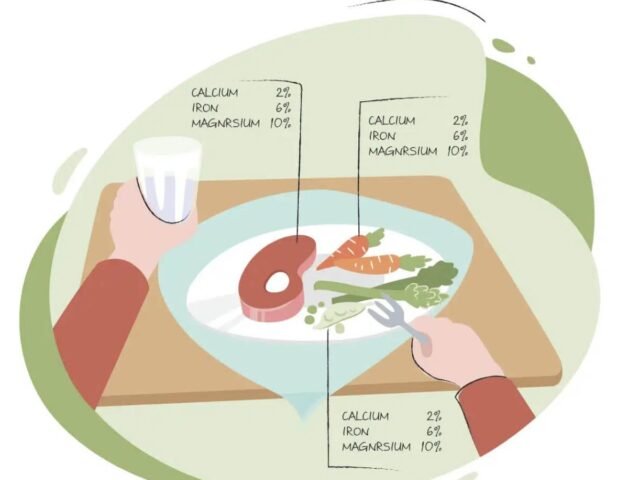
Without trace minerals and other essential nutrients, our cells would not be able to grow, function or produce any of the enzymes or hormones we need to sustain everyday living. Even creation itself would likely not have been possible!
The planet is a rich source of all these nutrients, being loaded with carbon, nitrogen, oxygen, hydrogen, metals and other life essential mineral ores. Our bodies do not make these minerals, so we have to extract them from our environment.
FDA Disclaimer: The statements made with this website (and any accompanying material) have not been evaluated by FDA and not intended to replace the attention or advice of a physician or other qualified health care professional. Shilajit is not intended to diagnose, treat, cure or prevent any disease. Shilajit does contain trace minerals but due to the small serving size it shall not be used in case of mineral deficiency or any mineral-related health issues. The purpose of this article is to describe the role of minerals in body metabolism.
Approximate Daily Value (Men) | Approximate Daily Value (Women) | Importance | Most Important Functions | Availability in Modern Diet | Best Dietary Sources | |
|---|---|---|---|---|---|---|
Potassium | >4700mg | >4700mg | high | Electrolyte, Heart Beat, Nerve Signaling | low | bananas, leafy greens, potatoes |
Sodium | 1500-2300mg | 1500-2300mg | high | Electrolyte, Nerve Signaling, Cell Function | high | table salt, pink salt, seafood |
Chlorine | 2300-3600mg | 2300-3600mg | high | Electrolyte | high | table salt |
Calcium | 000-2500mg | 000-2500mg | high | Cell Function, bone health, enzymes and hormones | high | dairy, fish, leafy greens |
Magnesium | >420 | >320*** | high | Cell Function, DNA synthesis, Biochemical reactions | low | dark chocolate, leafy greens |
Phosphorus | 700-4000mg | 700-4000mg | high | Energy, fat metabolism, DNA synthesis | high | eggs, red meat, dairy |
Iron | 8-45mg | 18-45mg | medium | blood cell function, protein and enzyme synthesis | high | meat, legumes, spinach |
Zinc | 11-40mg | 8-40mg | high | Detox, Immune Function, growth, development, healing, DNA synthesis | medium | oysters, red meat, legumes, dairy |
Manganese | 2.3-11mg | 1.8-11mgginger, tea | medium | Enzyme and hormone production, energy, antioxidant | low | nuts, ginger, tea |
Copper | 0.9-10mg | 0.9-10mg | medium | Biochemical reactions, blood cell function, nutrient transport | medium | organ meats, leafy greens, shellfish |
Iodine | 150-1100mcg | 150-1100mcg | high | thyroid hormone synthesis | medium | iodated table salt, seafood, whey, eggs |
Chromium | 35mcg(ULU)** | 25mcg(ULU)** | low | metabolism, blood sugar control | low | spices, mushrooms, asparagus |
Molybdenum | 45-2000mcg | 45-2000mcg | medium | enzyme production, detoxification, metabolism | low | legumes, garlic, leafy greens |
Selenium | 55-400mcg | 55-400mcg | medium | Reproduction, DNA synthesis, immune function | medium | mushrooms, seafood, brazil nuts |
Cobalt | 5-8mcg** | 5-8mcg** | medium | red blood and nerve cell function, enzyme activation | high | meat, dairy, eggs, algae |
Bromine | 1500mg(ULU)** | 1500mg(ULU)** | low | fortifying cell walls | high | fish, nuts, drinking water |
Nickel | 0.2-1mg** | 0.2-1mg** | low | fat metabolism, hormonal activity, urea synthesis | high | |
Boron | 0.8-20mg** | 0.8-20mg** | low | hormone activation, nutrient absorption, bone regeneration | high | legumes, fresh fruits and vegetables |
Silicon | 40mg(ULU)** | 19mg(ULU)** | low | collagen link formation, toned muscles, bone health | high | beetroot, legumes, high-fiber foods |
Vanadium | 6-1800mcg** | 6-1800mcg** | low | hormone fucntion, cholesterol production, sugar metabolism | low | olives, parsley, nuts |
Lithium | 1mg(ULU)** | 1mg(ULU)** | low | Biochemical reactions, B Vitamin Uptake, Brain Health | medium | drinking water, vegetables, meat |
Aluminum | 0.1-71mg(ULU)** | 0.1-71mg(ULU)** | unknown | unknown | high | processed foods, antiperspirants, pharmaceuticals |
Arsenic | 0.5-0.81mcg(ULU)** | 0.5-0.81mcg(ULU)** | unknown | unknown | medium | fish, meat, grains |
Strontium | 0.5-5mg(ULU)** | 0.5-5mg(ULU)** | low | unknown | low | air, water, food |
Germanium | 0.4-3.4mg(ULU)** | 0.4-3.4mg(ULU)** | unknown | Possibly enhances bile secretion and immune function | low | garlic, green tea, herbs |
Lead | 0.07-4.41mg**(UL=0.25mg) | 0.07-4.41mg**(UL=0.25mg) | unknown | unknown | high | water, tinned foods, lead-containing petrol |
Rubidium | 1-5mg(ULU)** | 1-5mg(ULU)** | unknown | unknown | medium | coffee, tea, raw fruits and vegetables, asparagus |
Tin | 120mg(ULU)** | 120mg(ULU)** | unknown | unknown | high | tinned food |
All the above values approximate a safe range of daily nutrients to meet wellness requirements in 97.5% individuals.
Some minerals have no known upper limits and can be eaten in larger amounts, like potassium.
***The tolerable upper limit for magnesium supplements is 350mg but it can be eaten in much larger doses from food sources.
**Estimated Average Daily Intakes (Not necessarily the average wellness requirement)
UL = Upper Limit
ULU = Upper Limit Unknown